

The cheapest travel-insurance policy can become expensive when its definitions do not match your ride.
Ask these questions before you pay the premium or a nonrefundable tour deposit.
> Important: This article provides general planning information, not insurance, legal, or medical advice. Coverage, exclusions, deadlines, definitions, and claim rules vary by policy and jurisdiction. Read the policy wording and ask the insurer or a licensed professional about your exact trip.
1. Does the Policy Cover the Kind of Cycling You Will Actually Do?

Do not ask only whether “cycling” is covered. Describe the route, surfaces, daily mileage, elevation, destination, and whether the trip is guided or independent.
Ask the insurer to point to the section that applies. A paved rail-trail vacation, loaded road tour, gravel route, and technical mountain-bike trip may not receive the same treatment under one policy.
2. Does the Insurer Treat Touring, Mountain Biking, and Racing Differently?
Some policies exclude competition, timed events, professional activity, or activities the insurer places in a higher-risk tier. The everyday meaning of “bike ride” does not control the contract.
Mention any organized event, high-altitude pass, remote singletrack, or downhill section. If you plan to change the itinerary after booking, ask whether adding a more demanding activity changes the coverage.
3. Is There an Age Limit or a Different Benefit Limit?

Policies may change price, eligibility, medical limits, or optional benefits at certain ages. A comparison page may show the headline benefit without showing how the age rules apply to a particular traveler.
Enter every traveler’s correct age before comparing quotes. Then ask whether evacuation, cancellation, rental-car, or accidental-death benefits use a separate limit or age rule.
4. How Does the Policy Handle Pre-Existing Conditions?
A “pre-existing condition waiver” is not the same as automatic coverage. The waiver may require purchase within a defined period, coverage of the full eligible trip cost, medical stability, or other conditions.
Ask how the policy defines the look-back period and a pre-existing condition. Include non-traveling relatives if their health could cause you to cancel. The National Association of Insurance Commissioners recommends asking directly about exclusions and approval requirements.
5. Is Emergency Medical Coverage Primary or Secondary?
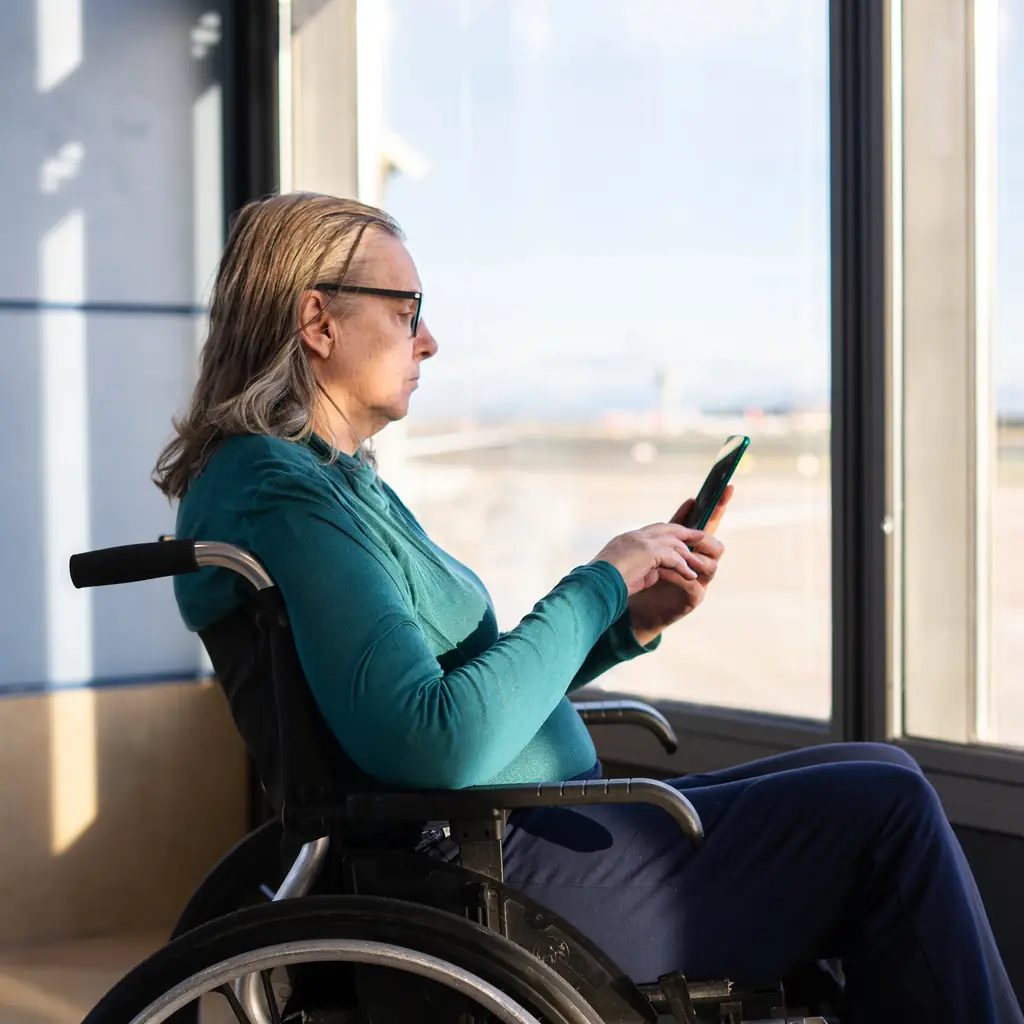
Primary coverage can pay eligible costs without waiting for another insurer. Secondary coverage usually expects you to submit the expense elsewhere first, subject to the policy terms.
Ask about deductibles, coinsurance, provider networks, payment guarantees, and reimbursement. Take the same care with equipment: CTO’s guide to touring handlebars shows how quickly specialized components can add value beyond a basic bicycle estimate.
6. Will Your Regular Health Plan Cover You at the Destination?
Do not assume domestic health coverage travels with you. Medicare says it usually does not cover health care outside the United States, apart from limited exceptions; some Medigap or Medicare Advantage arrangements may differ.
Call the plan and ask about the exact country and dates. Ask whether emergency care, prescriptions, follow-up treatment, and transport home are covered. Riders planning their first later-life tour can also use CTO’s guide to bike touring in your 70s to identify route details worth mentioning.
7. What Does Medical Evacuation Actually Mean?
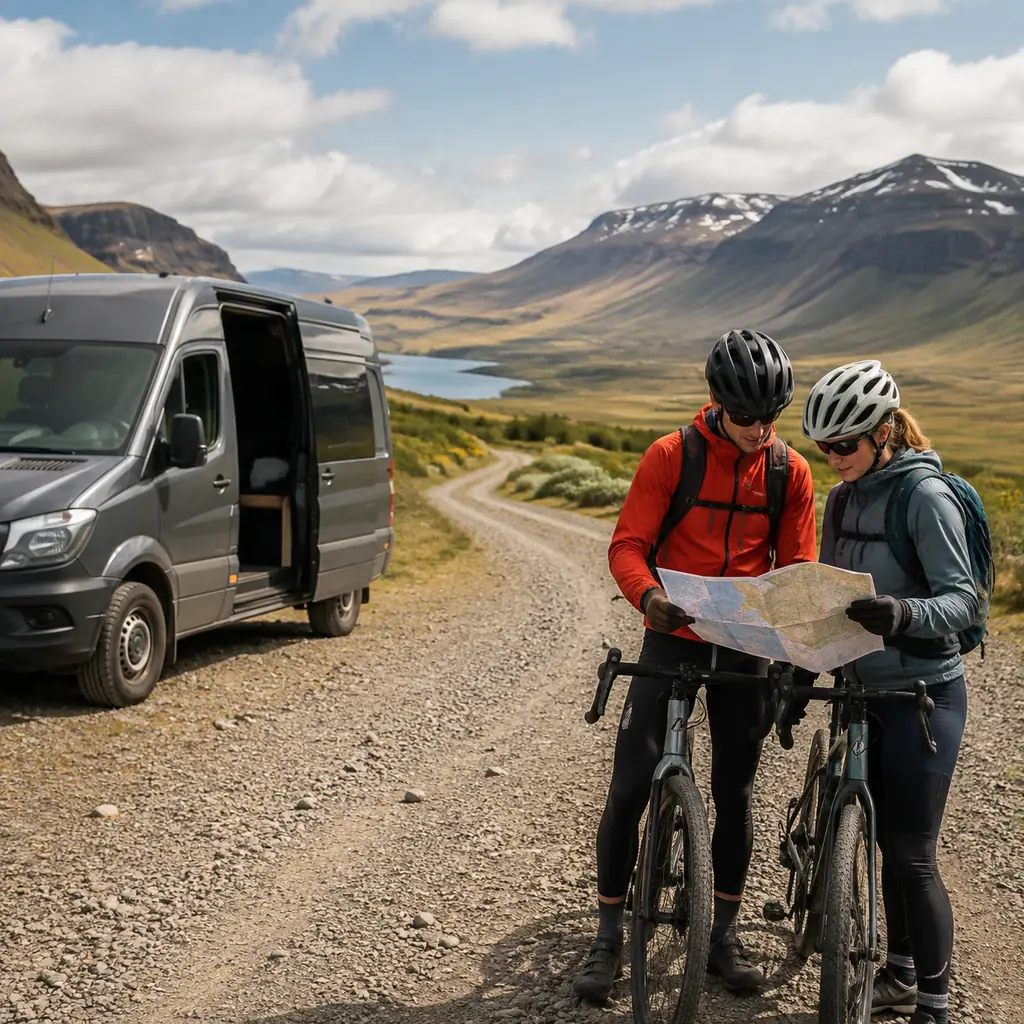
“Evacuation” may mean transport to the nearest facility the assistance company considers suitable. It does not always mean a flight home or transport to the hospital you prefer.
Ask who makes the decision, whether prior authorization is required, and whether repatriation becomes available after treatment. Also ask about the dollar limit and whether a companion’s transport or an unused bicycle is addressed.
8. Are Remote Trails and Search-and-Rescue Costs Included?
An ambulance benefit and a search-and-rescue benefit are not necessarily the same. A route can feel civilized at breakfast and still pass through hours of poor access or weak phone coverage.
Give the insurer specific examples from the itinerary. If the route includes camping or isolated gravel, compare it with CTO’s explanation of bikepacking versus traditional touring so the activity description is accurate.
9. How Much Bicycle and Gear Coverage Do You Really Get?
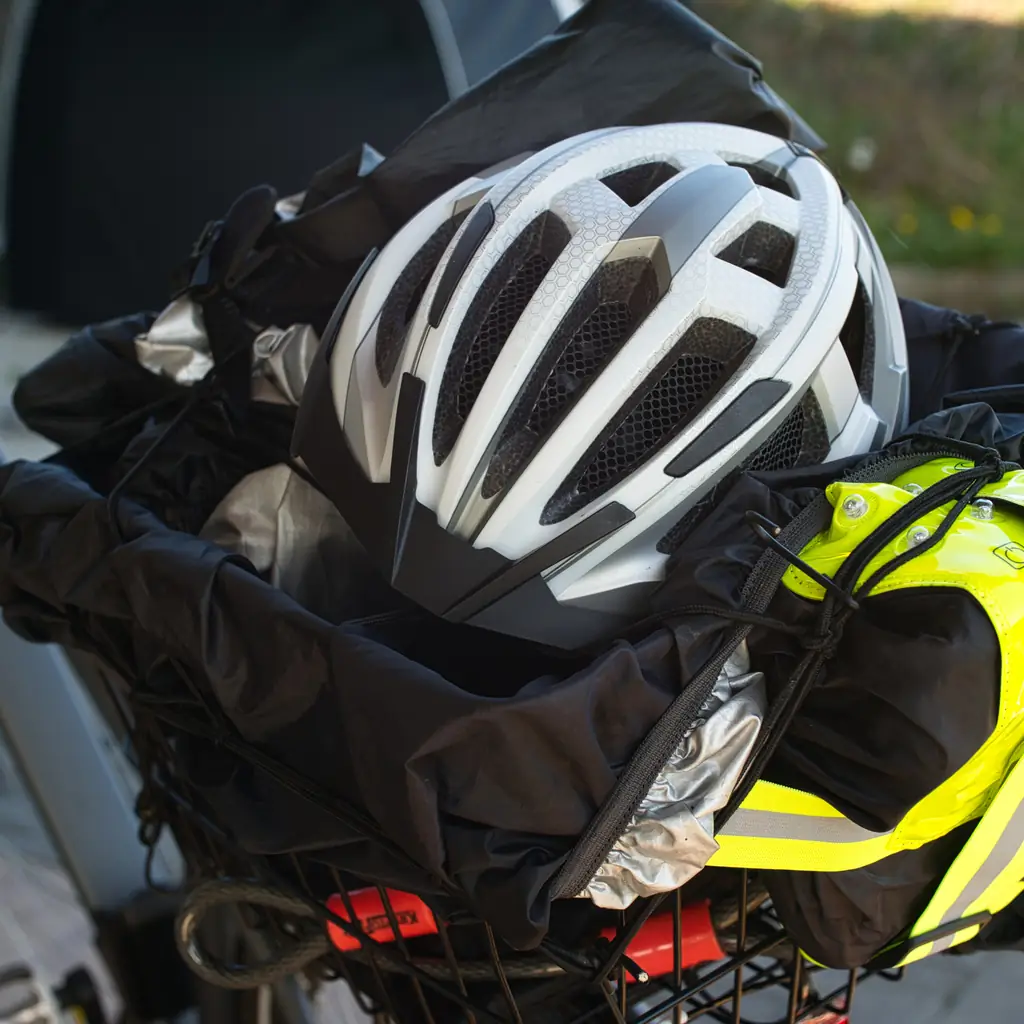
A policy’s baggage total can look generous while the per-item limit remains too low for a bicycle, wheelset, GPS unit, or camera. Sporting equipment may also have a separate sublimit.
Ask whether the insurer uses replacement cost or depreciated value. List racks, bags, tools, clothing, and electronics separately. A loaded setup often includes more value than the bicycle alone, as CTO’s touring gear breakdown makes clear.
10. What Proof of Ownership Will a Claim Require?
Claims can slow down when the traveler cannot show what was owned, what it cost, and what happened. Used or custom-built bicycles may not have one tidy receipt.
Before departure, photograph the bicycle, components, serial number, luggage, and packed equipment. Save receipts, valuation documents, and repair records in cloud storage. Ask whether the insurer requires a police report, carrier report, or original purchase evidence.
11. What Happens If an Airline Damages or Delays the Bike?
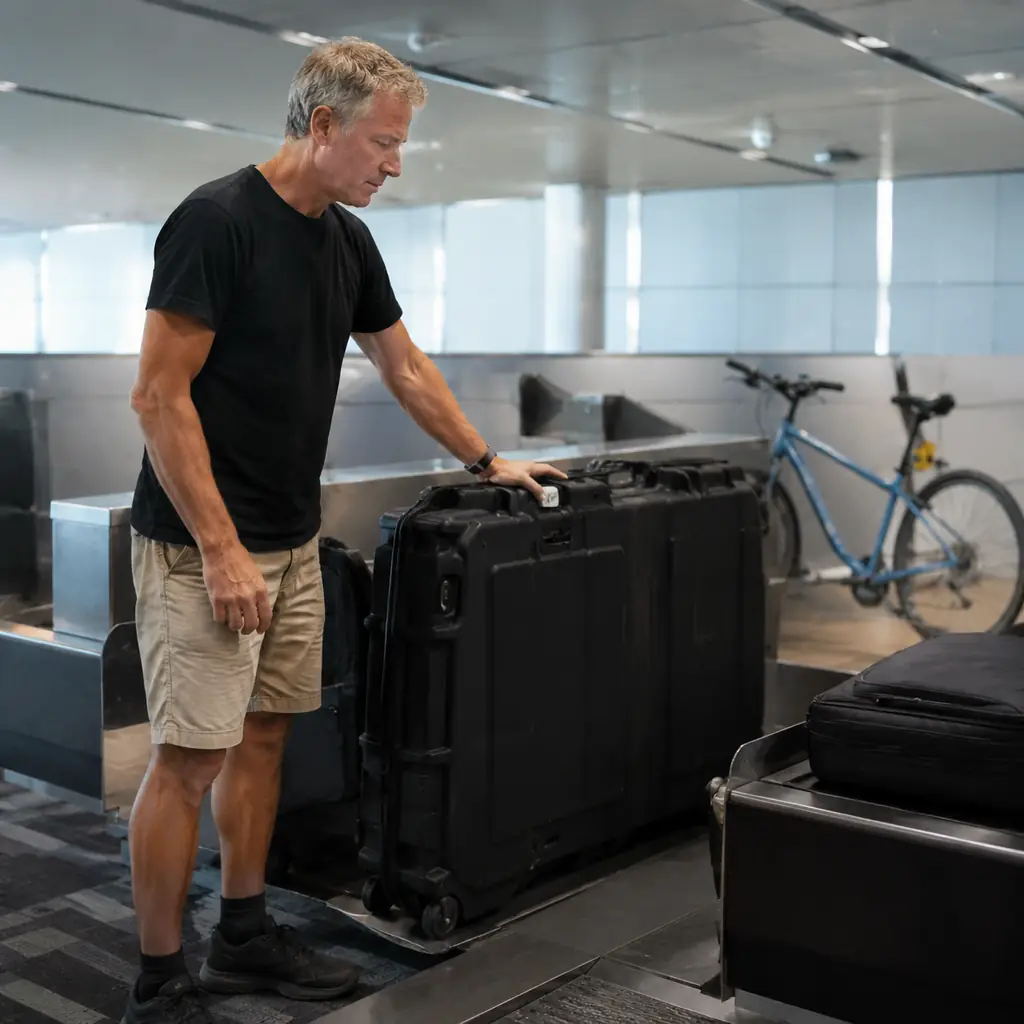
The U.S. Department of Transportation says passengers should report baggage damage or delay to the airline promptly. Airline liability limits and contracts still matter, and improper packing or excluded items can complicate a claim.
Ask which company pays first and what filing deadlines apply. Confirm whether the hard case, wheels, and contents count as one item. CTO’s guide to transporting bikes by car can help if a driving alternative is more practical.
12. Does the Policy Cover a Rental Bike While Yours Is Missing?
Trip-delay or baggage-delay coverage may reimburse essentials, but a bicycle rental can exceed an insurer’s definition of a necessary replacement purchase. A tour operator may also charge for missed stages.
Ask whether rental cost, helmet, panniers, delivery fees, and a different class of bicycle qualify. If you require a specific fit or touring configuration, document that need before departure rather than during the claim.
13. Which Cancellation Reasons Are Covered?

Standard trip-cancellation coverage pays only for listed covered reasons. Changing your mind, disliking the forecast, or deciding that training did not go well may not qualify.
Ask about illness, injury, severe weather, jury duty, carrier disruption, a non-traveling family member, and tour-operator failure. If considering Cancel For Any Reason coverage, ask about purchase deadlines, insured trip cost, cancellation timing, and the percentage reimbursed.
14. How Is Trip Interruption Calculated Once the Tour Starts?
Interruption can include unused prepaid arrangements and additional transport, but the formula and eligible reasons vary. A cyclist may need a taxi from a rural town, a train with bicycle space, and a new flight rather than one simple ticket.
Ask how the insurer values unused tour days and the unused return booking. Keep the planned itinerary and receipts. Touring with panniers that convert to backpacks can simplify an unplanned rail or hotel transfer, but it does not change the insurance terms.
15. What Must You Do During an Emergency to Keep the Claim Valid?
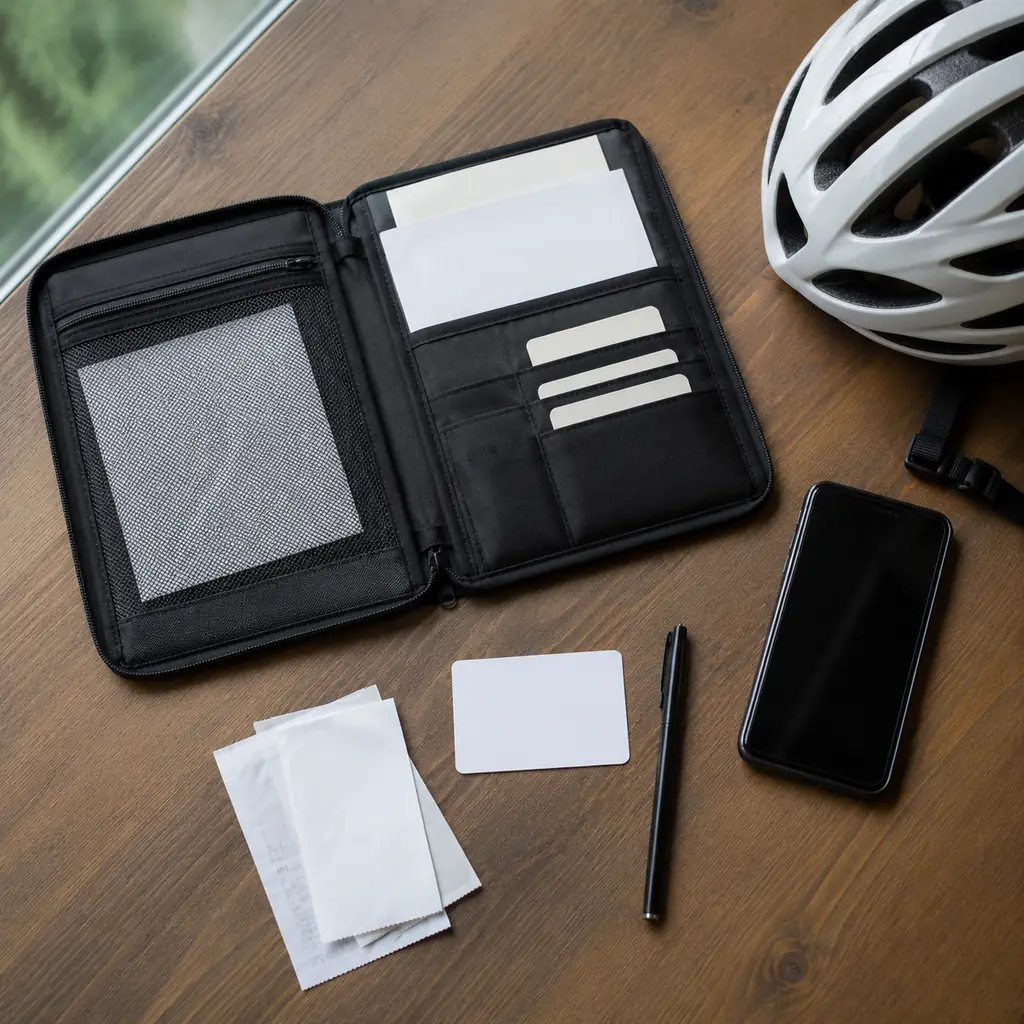
Some policies require contact with an assistance line before major treatment, evacuation, repair, or new transport is arranged. In a true emergency, care comes first, but the notification and documentation rules still deserve advance planning.
Save the policy number and emergency phone number offline. Ask what records are needed and how quickly the insurer must be contacted. Keep medical reports, carrier notices, repair estimates, receipts, and a short timeline of events.
Compare Answers, Not Just Prices
The right policy is the one whose written terms fit the actual route, rider, deposits, and equipment. A low premium does not help when the bicycle, activity, destination, or reason for cancellation sits outside the contract.
For an e-bike trip, also review CTO’s guide to e-bike battery and range mistakes. Large e-bike batteries commonly exceed passenger-aircraft battery limits, so transport can require rental, ground shipping through a qualified service, or another plan.
Sources
- National Association of Insurance Commissioners: Should I Get Travel Insurance?
- National Association of Insurance Commissioners: Travel Insurance
- Medicare: Travel Outside the U.S.
- CDC: Older Adults and Healthy Travel
- U.S. Department of Transportation: Lost, Delayed, or Damaged Baggage
- FAA: Airline Passengers and Batteries
About The Author
