

A bike tour in your 70s can be deeply satisfying, but comfort and logistics matter more than bravado.
These small decisions can turn a tiring itinerary into a trip you want to repeat.
1. The Best First Day Can Feel Almost Too Easy
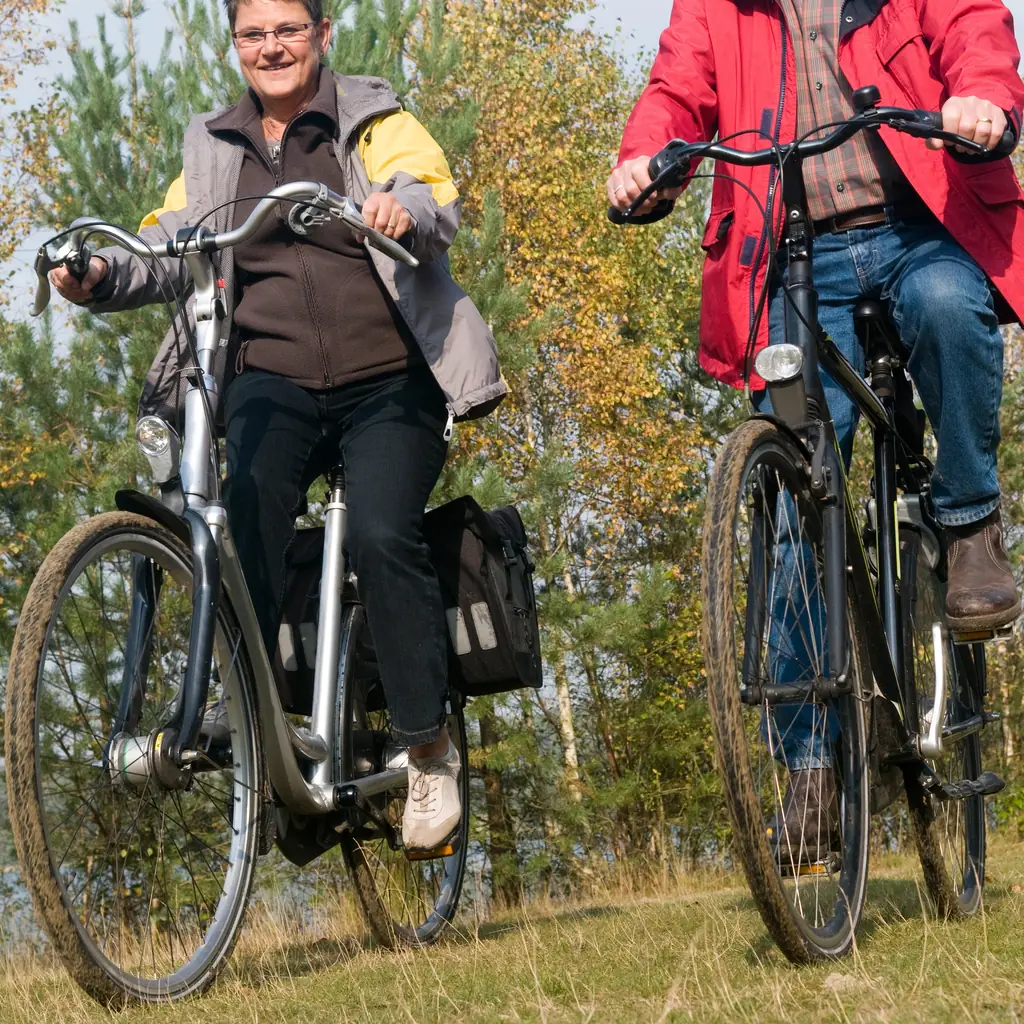
Excitement makes the opening miles feel cheap. The bill often arrives after dinner, when stiff legs meet an unfamiliar bed and another ride waits in the morning.
Plan a first day that is shorter than your normal one-day limit. The extra margin gives you time to correct a loose cleat, a rubbing bag, or a hotel check-in problem without racing the sunset.
2. Recovery Takes More Planning Than Pride
One comfortable day does not prove that the same distance will feel good four days in a row. Multi-day fatigue builds quietly through sleep, hydration, saddle pressure, and repeated climbing.
Place an easier day or full rest day before you expect to need it. A cafe morning and short riverside ride can preserve the second half of the trip better than an ambitious schedule with no room to bend.
3. A Supported Tour Is Still a Real Bike Tour
A support van, luggage transfer, and prebooked room do not make the riding less meaningful. Those services simply remove chores that compete with the part you came to enjoy.
For a return to touring, consider a supported trip or a hotel-to-hotel route. You can learn your comfortable rhythm before deciding whether camping and a fully loaded bicycle belong on the next adventure.
4. Mounting and Stopping Deserve a Practice Session
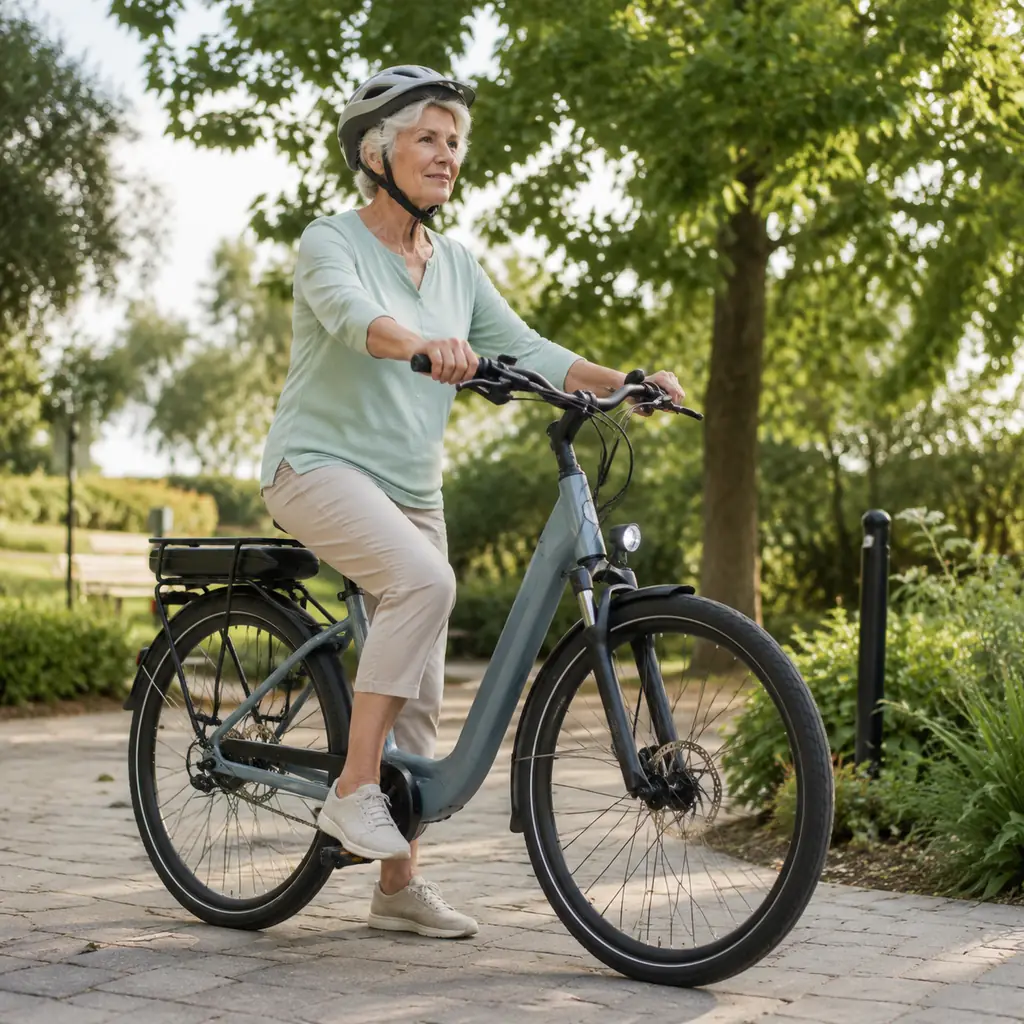
Touring adds weight, traffic decisions, sloped shoulders, and frequent stops. A bike that feels steady on a familiar path can feel different with panniers and a tired leg at the end of the day.
Practice starts, stops, shoulder checks, tight turns, and emergency dismounts with the bike loaded. Use a quiet parking lot and the same shoes you will wear on tour.
5. A Step-Through Frame Can Change the Whole Trip
A lower top tube can make repeated mounting easier, especially when the rear rack carries a bag. It can also reduce the awkward high kick that catches riders when hips are stiff after lunch.
Try the exact frame with touring luggage before buying or renting. Frame stiffness, battery position, wheel size, and fit still matter, so “step-through” is a useful feature rather than a complete verdict.
6. Walking a Steep Pitch Is a Touring Skill
There is no prize for grinding up every ramp. A short walk can protect your knees, save battery range, and keep your breathing under control before the next section.
Shift down before the slope gets severe. If you dismount, choose stable ground and walk on the safer side of the road or trail. The goal is to finish the day with enough energy to enjoy where you arrived.
7. Contact Points Matter More Than Fancy Components
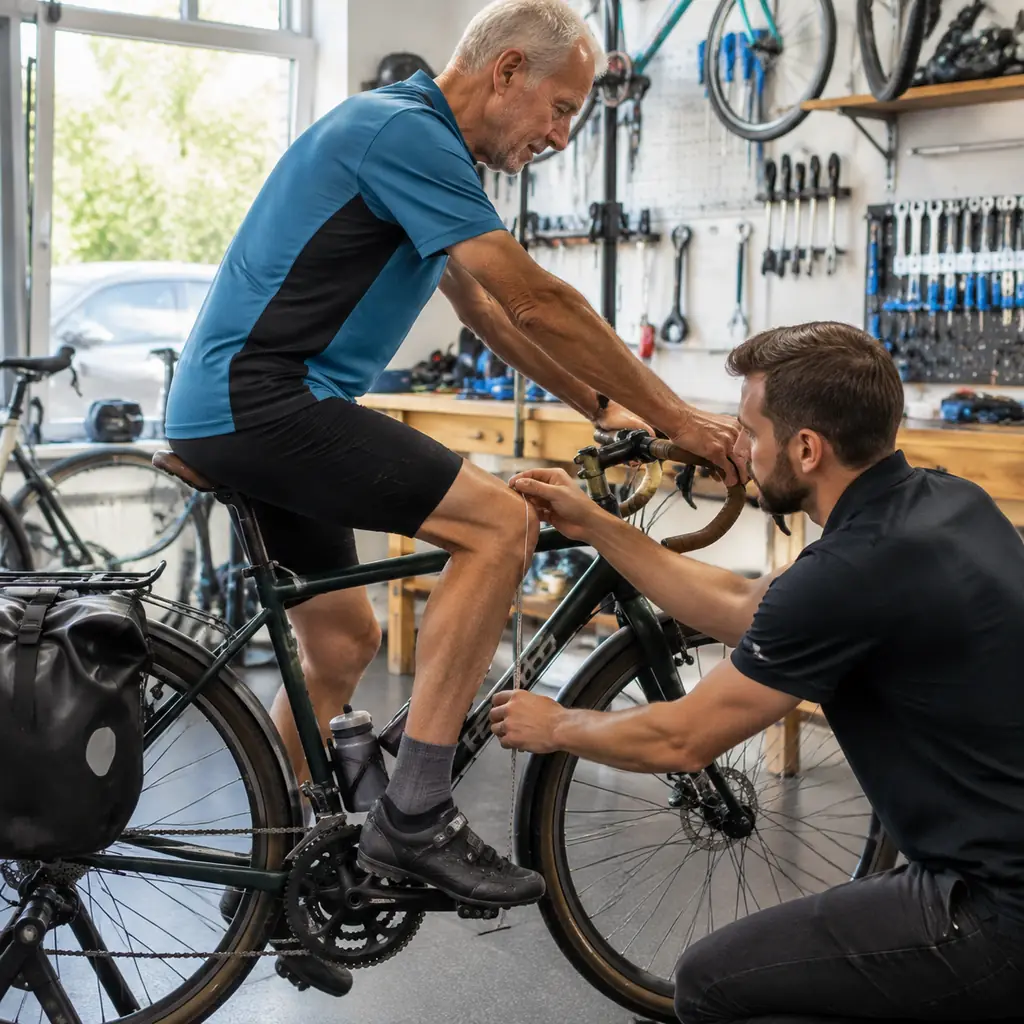
Hands, feet, and the saddle carry the same pressure for hours. Small fit errors at those contact points can become the loudest part of a vacation.
Book a fit early enough to test the changes on several rides. The best touring upgrade may be a small bar adjustment or different shoe insole, not a lighter wheelset. CTO’s guide to touring and bikepacking handlebars explains the available hand-position options.
8. Numb Hands Are Often a Setup Problem
Thick gloves may hide pressure for a while, but they do not correct a long reach or locked elbows. Riders also grip harder when traffic, gravel, or navigation feels unfamiliar.
Relax your shoulders, change hand positions, and check whether the bars force too much weight forward. Stop when tingling begins instead of waiting for it to become painful. Persistent symptoms deserve professional medical or fit advice.
9. A Saddle That Works for an Hour May Fail by Day Three
Saddle comfort depends on position, shape, clothing, and time. Extra padding is not always the answer because a soft saddle can create more movement and friction on a long day.
Test the complete setup on back-to-back rides. Keep the shorts, cream, saddle height, and luggage close to your touring configuration. CTO’s comparison of touring saddles for long rides is a useful starting point, but fit remains personal.
10. Luggage Placement Changes How the Bike Behaves
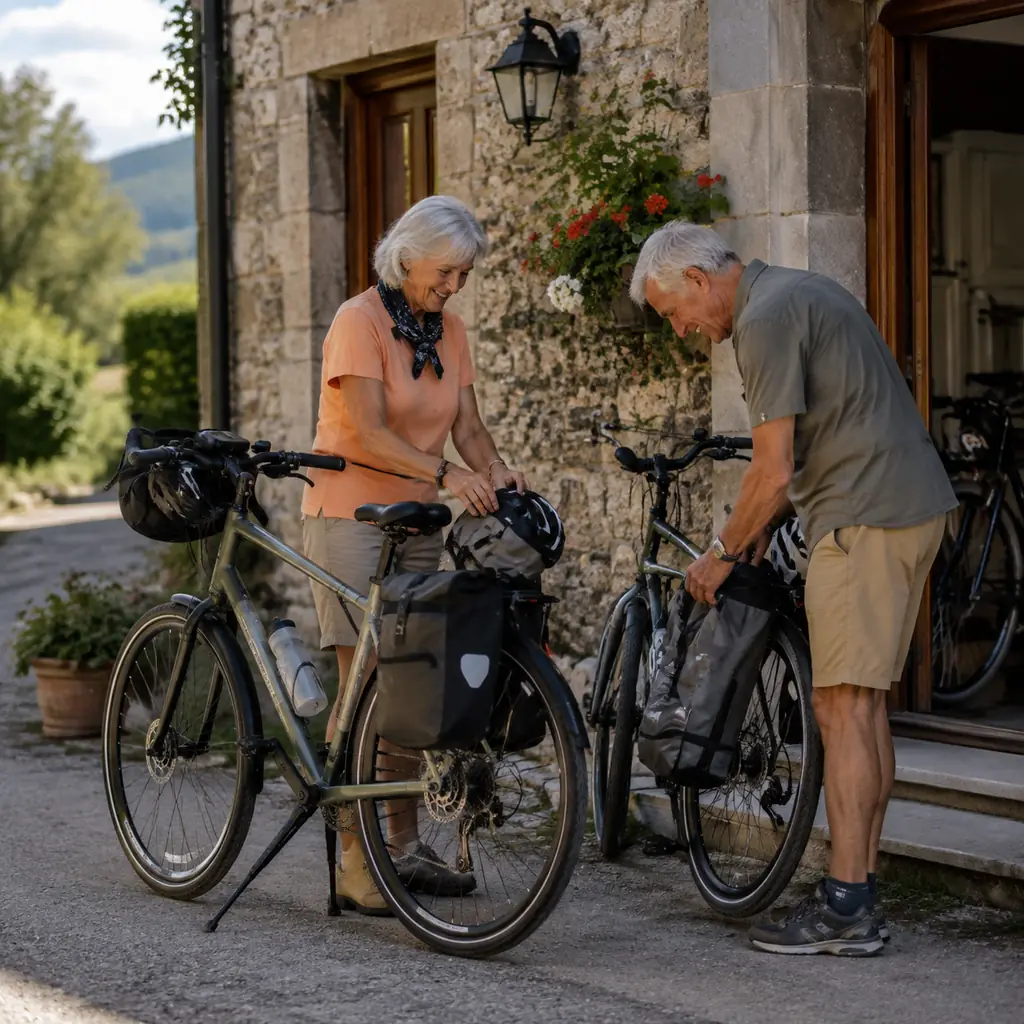
A heavy rear load can make the front wheel feel light on a climb. A lopsided pannier can pull the bike sideways during a slow start.
Pack dense items low and close to the center of the bicycle. Weigh the left and right bags if the balance is hard to judge. CTO’s real-world look at touring-bike and gear weight shows why total weight and distribution both matter.
11. Hotel-to-Hotel Touring Removes More Stress Than Weight
Sleeping indoors removes the tent, sleep system, cooking kit, and much of the weather anxiety. It also gives wet clothing and electronics a better chance to recover overnight.
Confirm check-in hours and food availability before assuming every trail town works the same way. A light bicycle is little comfort if the only restaurant closes before you arrive.
12. Secure Bike Storage Can Matter More Than the Room
“Bike friendly” can mean a locked ground-floor room, or it can mean carrying a loaded e-bike up two flights of stairs. Ask where the bicycle sleeps and whether the space is available to every guest.
Also ask about charging rules, exterior access, and opening hours. If your setup includes large panniers, CTO’s guide to convertible backpack panniers can make short walks inside a hotel easier.
13. Bathrooms and Water Stops Quietly Shape the Route
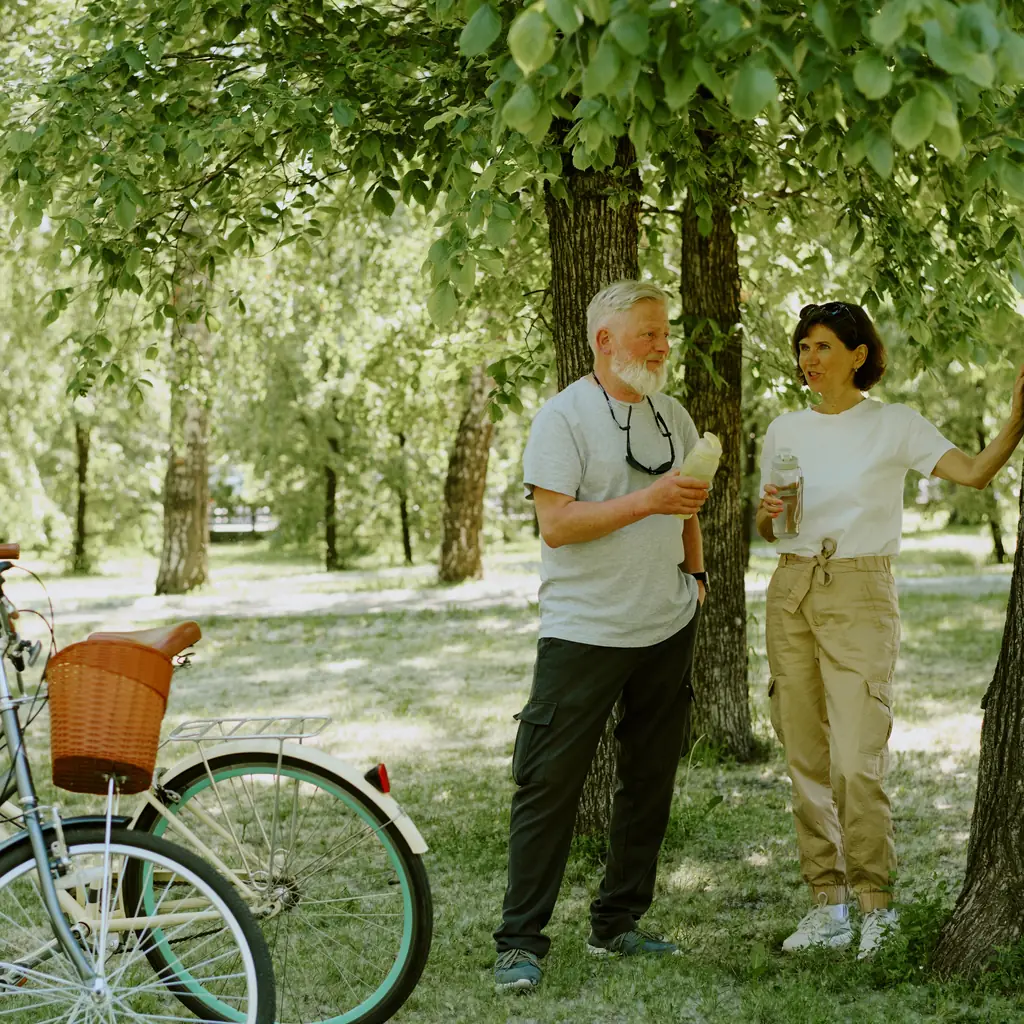
A route can look gentle on an elevation chart and still feel stressful when services disappear for 30 miles. Closed seasonal restrooms and broken fountains are common enough to plan around.
Mark dependable water, food, shade, and restroom stops before departure. Call small businesses when their hours matter. Carry more water than the map suggests if heat or a remote surface reduces your speed.
14. An Early Start Buys a Large Safety Margin
Morning miles are often cooler, quieter, and easier to manage. An early start also creates room for a long lunch, a mechanical repair, or a wrong turn.
Prepare bottles, clothing, route files, and breakfast the night before. If your feet need extra room after several days, compare options in CTO’s guide to bike-touring shoes well before the trip.
15. Wind Can Be Harder Than Distance
Twenty flat miles into a steady headwind can demand more effort than a longer protected route. Wind also changes bicycle handling when trucks pass or a pannier catches a side gust.
Check hourly wind direction, not only the chance of rain. Reduce the day’s distance when a headwind is likely, and avoid treating the map’s mileage as a promise about effort.
16. A Paper Backup Still Earns Its Place
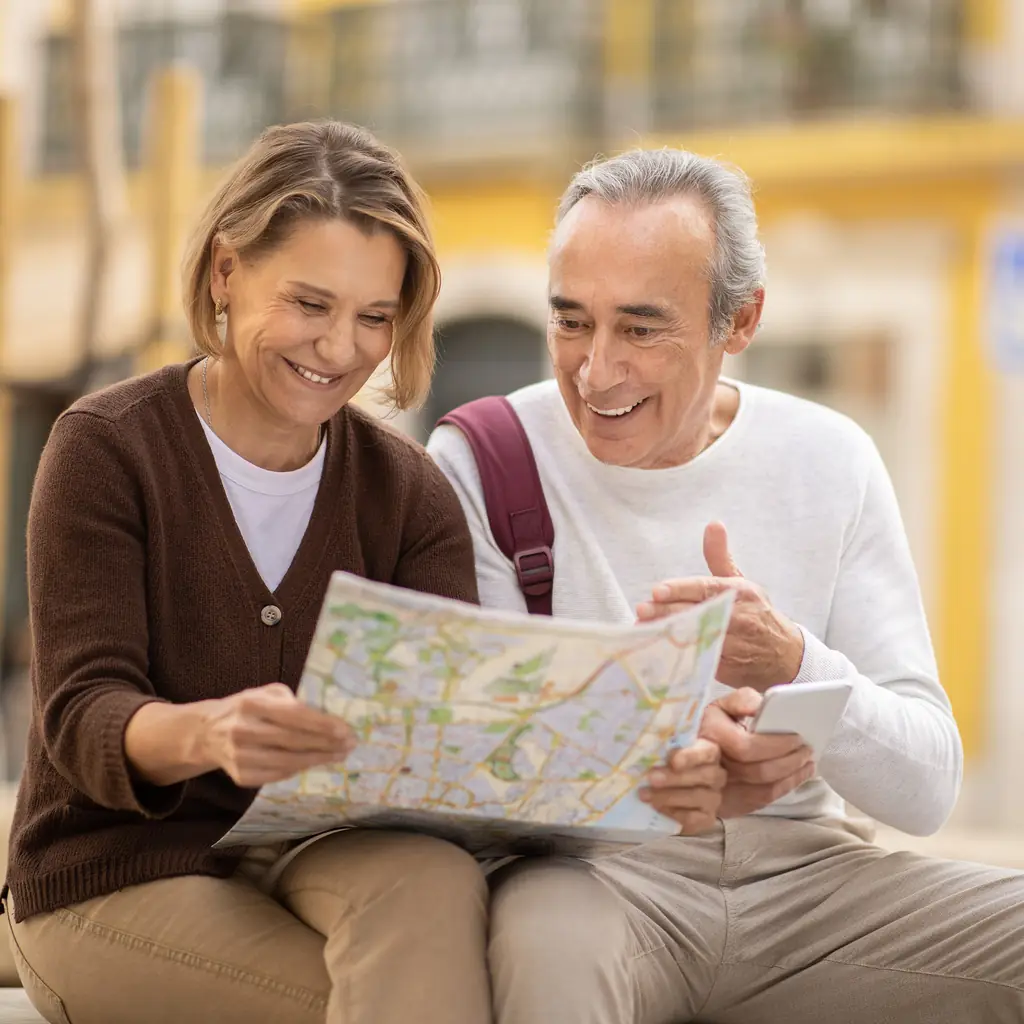
Phones overheat, batteries fade, and rural coverage disappears. A paper map does not need to be detailed enough for every turn; it needs to show the next town, major roads, and escape options.
Download offline maps and carry a small printed overview. Keep hotel addresses and important phone numbers somewhere other than the device mounted on your handlebars.
17. A Bailout Plan Makes the Ride Feel Freer
Knowing where a train, ferry, shuttle, or taxi can shorten the day reduces the pressure to continue when conditions change. The plan is most useful when everyone understands it before fatigue affects judgment.
Record operating hours, bike rules, and reservation requirements. Folding-bike travelers may find extra options in CTO’s guide to folding bikes for touring.
18. A Companion’s Comfortable Pace May Not Match Yours
Two riders can have equal fitness and very different comfort on descents, traffic, gravel, or long climbs. Constantly waiting or chasing can turn a shared vacation into a quiet argument.
Agree on regrouping points and a no-blame turnaround rule. If one rider uses an e-bike, plan assist use around the pair’s shared pace rather than using the motor to make the stronger rider even faster.
19. Your Appetite May Arrive Later Than Your Energy Need

Some riders do not feel hungry while working steadily, especially in heat. The first warning can be a sudden loss of patience or power rather than a growling stomach.
Carry familiar food and eat small amounts at regular stops. Do not experiment with an elaborate nutrition plan on day one. A simple cafe sandwich, banana, or snack you already tolerate is often easier than forcing a large meal.
20. Insurance Details Matter Before the First Pedal Stroke
A policy may cover ordinary sightseeing but define mountain biking, racing, remote riding, or high-altitude activity differently. Bicycle and e-bike equipment limits can also be far below the replacement value of the trip setup.
Ask for the relevant wording in writing. Start with CTO’s travel-insurance questions for cycling vacations, then compare the answers with your route, health coverage, deposits, and bicycle value.
21. The Trip Becomes About More Than Mileage
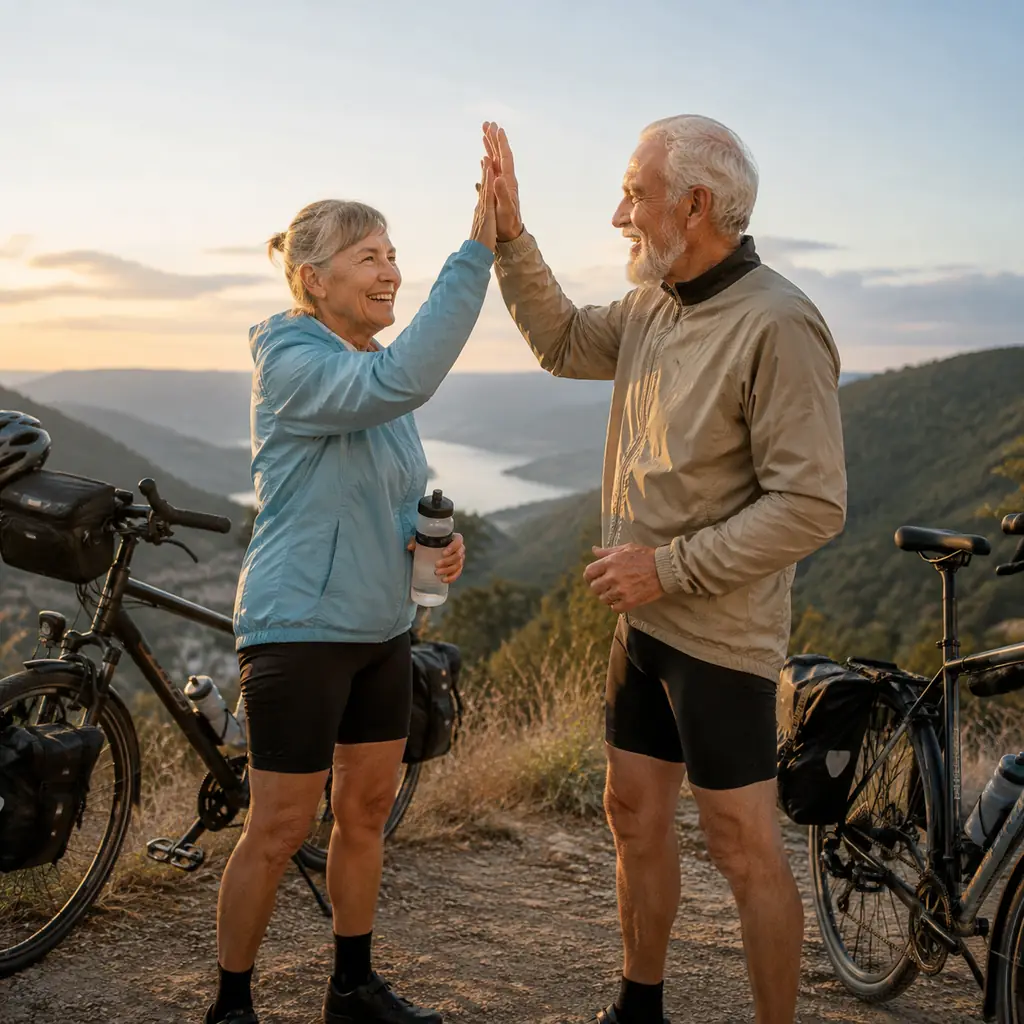
The strongest memories may be the bakery that opened early, the stranger who helped with a pump, or the afternoon you stopped before the planned town. A slower schedule leaves room for those moments.
Choose a route that rewards stopping. The distance still matters, but it no longer has to be the only measure of a successful tour.
A Sensible Final Check
Start with your present ability, not the mileage you rode ten years ago. The CDC advises older adults with chronic conditions to discuss suitable activity with a health professional, and international travelers should review health needs well before departure.
The practical goal is simple: build enough comfort, time, and support into the plan that riding remains the best part of the day.
Sources
- CDC: What Counts as Physical Activity for Older Adults
- CDC: Older Adults and Healthy Travel
- CDC: Preventing Falls and Hip Fractures
- Adventure Cycling Association: Guide to Planning Your Bicycle Adventure
- REI: Introduction to Bike Touring
About The Author
